
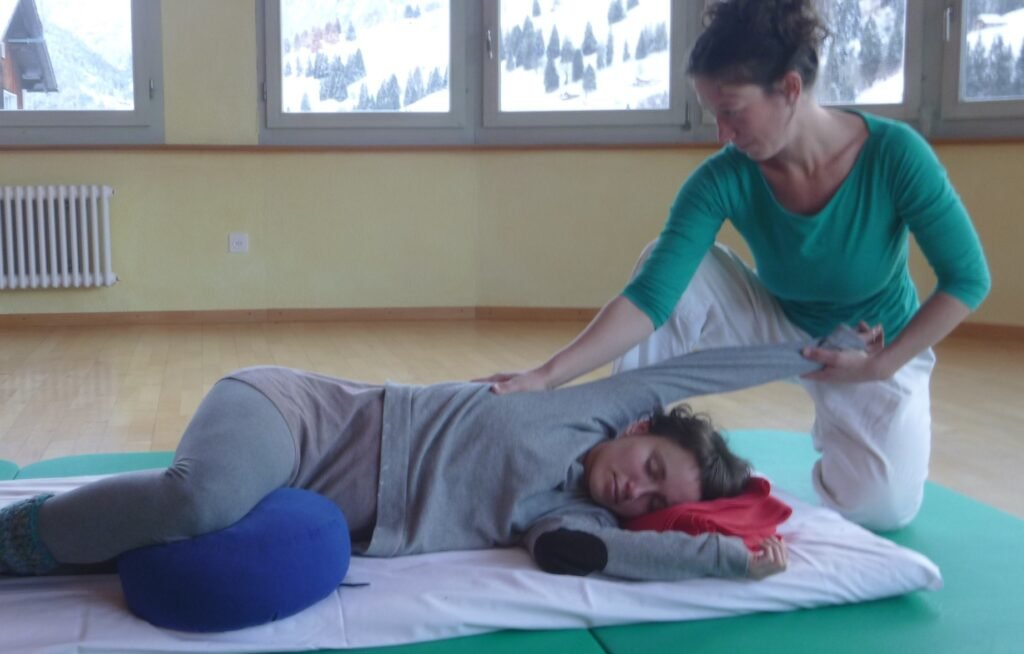

Shiatsu is a traditional hands-on Japanese healing art that supports your bodies natural wisdom. Drawing from Traditional Chinese Medicine theory, Shiatsu is used to benefit the whole person not just the symptoms.
Suitable for everyone regardless of age or ability, Shiatsu works on different levels of being including physical, emotional, mental and energetic. As such, it can help with a wide range of imbalances. In my practice I have helped with:
- Acute and chronic pain
- Skeletal and muscular issues
- Anxiety, stress and burn out
- Pre and post surgery recovery
- Ongoing cancer treatments
- Chronic fatigue and exhaustion
- Low moods and depression
- Sleep disturbances
- Womens health
- Pregnancy and post natal care
At its heart, shiatsu is about connection. It’s a non-invasive, deeply intuitive therapy that works through the body to support physical health, emotional wellbeing, and mental clarity so you can move towards the way you want to live and overcome obstacles that are preventing you moving forwards.
Whether you’re feeling overwhelmed, disconnected, in pain, or simply in need of grounding, shiatsu offers a space to listen to your body’s wisdom.
It’s not just a treatment—it’s a path toward greater clarity, resilience, and ease in your everyday life.
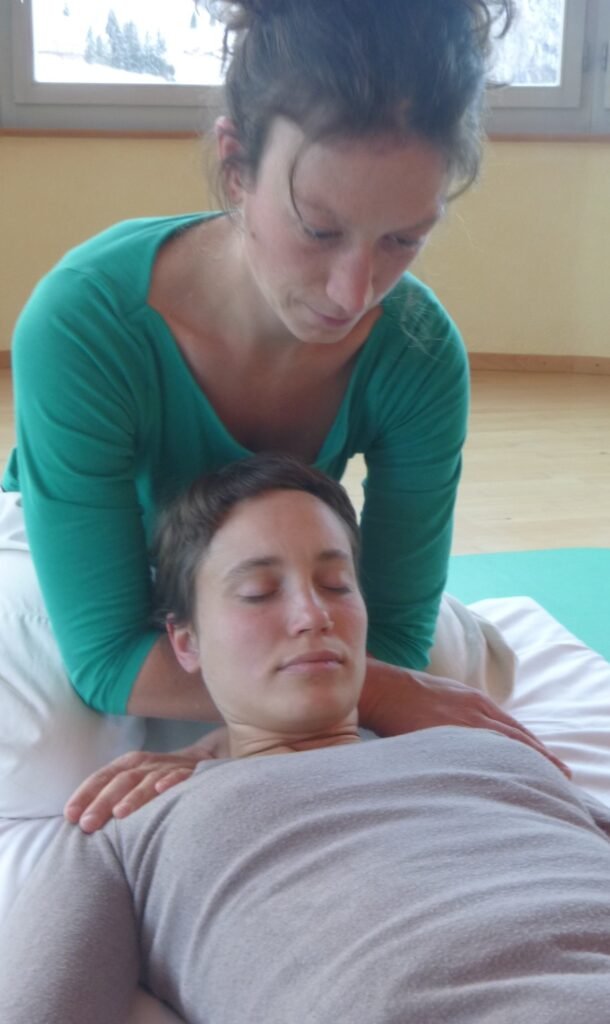
What to Expect in a Session
Each session lasts around an hour and begins with a conversation, to understand your current needs.
The treatment takes place fully clothed, usually on a futon or mat, though accommodations can be made for comfort or mobility.
Techniques vary depending on what’s needed—firm or gentle pressure, stretches, joint movement, or quiet holding. After the session, there’s time to share anything that may have surfaced.
My Experience
I studied at the Kientalerhof International School of Shiatsu in Switzerland from 2009 and moving back to England, completed my studies at Bristol School of Shiatsu.
Following this, I have assisted teaching at the Bristol school and deepened my practice through a range of continued professional development courses (CPD).
These include embodied dialogue and work with fertility, pregnancy and women’s health, structural work, body tuning, counselling and group therapies.
I volunteered for some years at the Macmillan wellbeing center within the NHS, supporting people undergoing treatment for cancer.
I am under mentorship for my therapeutic practices and continue to attend CPD courses.
“Therapy is not about becoming someone else—it’s about becoming more fully yourself”